 Skip to content
How to Make an IPTV Portal
In the world of digital entertainment, IPTV (Internet Protocol Television) has become one of the most popular ways to access TV content online. If you’re interested in building your own IPTV portal to offer live TV, movies, and other content, this guide will walk you through the essential steps.
Whether you want to create an IPTV service for personal use or as a business venture, building a high-quality IPTV portal can be a rewarding project. IPTV Norge for MacBook – Er du lei av begrensningene med tradisjonell kabel-TV? Ønsker du en enklere, mer fleksibel måte å se favorittprogrammene, filmene og sport på din MacBook? Da trenger du ikke lete lenger—IPTV Norge er her for å gi deg den beste IPTV-strømmingsopplevelsen for din MacBook, og gir deg tilgang til et bredt utvalg av kanaler i høy kvalitet. Enten du er hjemme eller på farten, kan du nyte sømløs strømming med den beste IPTV-leverandøren tilgjengelig. Want full IPTV access? Click here
What is an IPTV Portal?
Before diving into the creation process, let’s briefly understand what an IPTV portal is. An IPTV portal acts as the front-end interface where users can access live TV channels, movies, and on-demand content through an internet connection. The portal connects to IPTV servers that manage the content distribution. How to Make an IPTV Portal
Step 1: Choose the Right IPTV Solution
The first thing you need to decide on is the platform or software for your IPTV portal. Some popular IPTV solutions include:
- Xtream Codes (a popular IPTV panel for resellers)
- ministra (formerly Stalker): A comprehensive IPTV middleware solution
- Flussonic Media Server: A flexible and powerful streaming server
These solutions provide both backend and frontend tools to manage content and provide users with a seamless experience. How to Make an IPTV Portal
Step 2: Set Up IPTV Server and Streaming Equipment
To stream IPTV content, you’ll need to set up your own server or subscribe to a service that offers IPTV server infrastructure. Here’s what you’ll need:
- Streaming Server: Software like Wowza Streaming Engine or Flussonic Media Server can manage the streaming of live TV content to your IPTV portal.
- Encoding Software: You’ll need software that can encode live TV signals into a stream that your portal can deliver to users. Examples include FFmpeg, VLC Media Player, or OBS Studio.
- Content Sources: Depending on the legalities of your region, you can source live TV channels via satellite, cable, or other legal streaming providers. IPTV Norge for MacBook – Er du lei av begrensningene med tradisjonell kabel-TV? Ønsker du en enklere, mer fleksibel måte å se favorittprogrammene, filmene og sport på din MacBook? Da trenger du ikke lete lenger—IPTV Norge er her for å gi deg den beste IPTV-strømmingsopplevelsen for din MacBook, og gir deg tilgang til et bredt utvalg av kanaler i høy kvalitet. Enten du er hjemme eller på farten, kan du nyte sømløs strømming med den beste IPTV-leverandøren tilgjengelig. Want full IPTV access? Click here
Step 3: Build the Front-End (Portal Design)
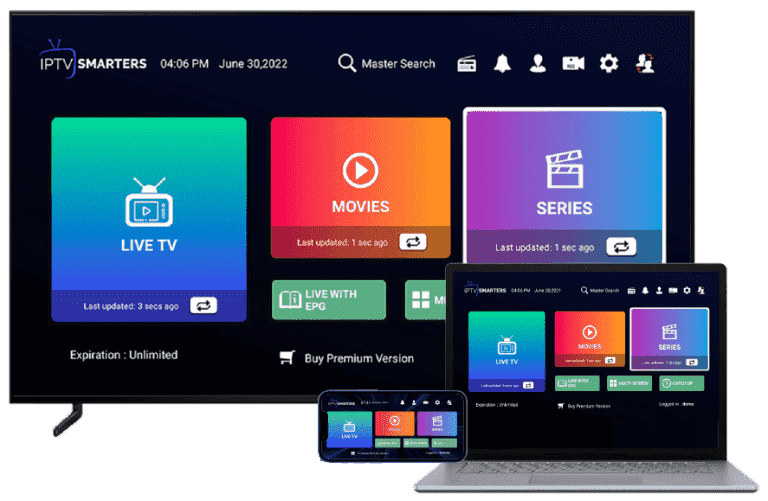
Now that the backend is set up, you’ll need to create a clean, user-friendly interface for the portal. Key components to include:
- User Authentication: Allow users to log in via username and password.
- Search Functionality: Users should be able to search for TV shows, movies, and channels easily.
- Channel Lists: Display available live TV channels, categorizing them by genre or popularity.
- On-demand Content: Offer movies and TV shows that users can watch at their convenience.
- Responsive Design: Ensure the portal is responsive, meaning it works well on both desktop and mobile devices. How to Make an IPTV Portal
You can either build the front-end from scratch or use a pre-made template. Some IPTV software solutions come with customizable templates that make this step easier.
Step 4: Integrate Payment System (If Monetizing)
If you’re offering a paid IPTV service, integrating a secure payment gateway is crucial. This allows users to subscribe to your service and pay for the content. Popular payment solutions for IPTV services include:
- PayPal
- Stripe
- Bitcoin (for privacy-focused customers)
Make sure to offer multiple payment methods to increase convenience for your users.
Step 5: Test Your IPTV Portal
Testing is an essential step in the IPTV portal development process. You’ll need to check:
- Stream Quality: Ensure there are no buffering or latency issues in the live TV streams.
- User Interface: Test for user-friendliness on various devices.
- Payment Process: Ensure that subscriptions and payments are processed smoothly. How to Make an IPTV Portal
Make sure to do a stress test if you expect large numbers of users to access the portal at the same time.
Step 6: Optimize for SEO and User Experience
To make sure your IPTV portal gets the attention it deserves, you’ll need to focus on SEO (Search Engine Optimization). Some SEO strategies to keep in mind:
- Keyword Optimization: Incorporate keywords related to IPTV, live TV, video streaming, and more.
- Content Marketing: Write blogs and articles about IPTV trends, how-to guides, and entertainment-related topics.
- Mobile Optimization: More users are accessing content via mobile, so your portal must be mobile-responsive. How to Make an IPTV Portal
- Speed Optimization: Ensure fast loading times for a better user experience.
Step 7: Launch Your IPTV Portal
Once everything is set up and tested, it’s time to launch your IPTV portal. Announce the launch via social media, email newsletters, and other marketing channels. Keep monitoring the server performance and make adjustments based on user feedback. How to Make an IPTV Portal
Conclusion
Creating an IPTV portal can be a complex process, but by following these steps, you can build a solid platform that delivers high-quality content to your users. Whether you’re building it for personal use or starting a business, focus on providing a great user experience and keeping your content secure and high-quality. How to Make an IPTV Portal
Remember, IPTV requires reliable server infrastructure and legal content sources, so make sure you comply with all regulations and provide the best service possible. Happy streaming! IPTV Norge for MacBook – Er du lei av begrensningene med tradisjonell kabel-TV? Ønsker du en enklere, mer fleksibel måte å se favorittprogrammene, filmene og sport på din MacBook? Da trenger du ikke lete lenger—IPTV Norge er her for å gi deg den beste IPTV-strømmingsopplevelsen for din MacBook, og gir deg tilgang til et bredt utvalg av kanaler i høy kvalitet. Enten du er hjemme eller på farten, kan du nyte sømløs strømming med den beste IPTV-leverandøren tilgjengelig. Want full IPTV access? Click here
Call to Action (CTA)
If you found this guide helpful and are ready to create your own IPTV portal, feel free to reach out to us for more tips and support! Don’t forget to subscribe to our newsletter for the latest in IPTV technology and trends. How to Make an IPTV Portal
